


A steel tensile test is a mechanical testing method used to determine how a steel material behaves when subjected to a controlled pulling force. The test measures key mechanical properties such as yield strength, tensile strength, elongation, and reduction of area, helping manufacturers verify whether a steel product meets design and specification requirements.
For steel pipes used in oil & gas, construction, water transmission, power generation, and industrial processing, tensile testing is one of the most important quality assurance procedures.
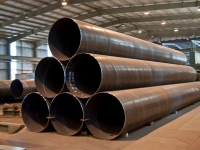
Steel pipes often operate under high pressure, mechanical loads, and harsh environmental conditions. Insufficient material strength can lead to deformation, leakage, or structural failure.
Tensile testing helps ensure that steel pipes can safely withstand their intended service conditions by verifying:
Material strength
Load-bearing capacity
Resistance to permanent deformation
Ductility and toughness
Compliance with project specifications
Manufacturing consistency
For critical applications such as line pipe, casing, tubing, boiler tubes, and structural steel tubing, tensile testing is typically mandatory.
|
Property |
Description |
Importance |
|
Yield Strength |
Stress at which permanent deformation begins |
Determines allowable design stress |
|
Tensile Strength |
Maximum stress before fracture |
Measures overall load capacity |
|
Elongation |
Percentage increase in length before breaking |
Indicates ductility |
|
Reduction of Area |
Reduction in cross-sectional area at fracture |
Reflects toughness and plasticity |
These values provide a comprehensive evaluation of the material's mechanical performance.
The tensile testing process generally follows ASTM A370 or ISO 6892 procedures.
Step 1: Sample Preparation
A test specimen is machined from the steel pipe according to the applicable standard.
Step 2: Mounting the Sample
The specimen is secured in a universal testing machine (UTM).
Step 3: Applying Tensile Load
A controlled pulling force is gradually applied until the specimen fractures.
Step 4: Recording Data
The testing equipment records:
Yield strength
Ultimate tensile strength
Elongation
Stress-strain curve
Fracture characteristics
Step 5: Result Evaluation
The measured values are compared against specification requirements to determine acceptance or rejection.
Different industries require compliance with specific testing standards.
|
Standard |
Application |
|
ASTM A370 |
Mechanical testing of steel products |
|
ISO 6892-1 |
Metallic material tensile testing |
|
API 5L |
Line pipe for oil and gas transmission |
|
API 5CT |
Casing and tubing |
|
ASTM A106 |
Seamless carbon steel pipe |
|
ASTM A53 |
Welded and seamless steel pipe |
|
ASTM A500 |
Structural steel tubing |
These standards define specimen dimensions, testing methods, acceptance criteria, and reporting requirements.
In the oil and gas industry, steel pipes are exposed to:
High internal pressure
Cyclic loading
Extreme temperatures
Corrosive environments
Long-term service stress
Because failure can result in costly downtime and safety risks, tensile testing is essential for:
API 5L Line Pipe
API 5CT Casing
API 5CT Tubing
Drill Pipe
Offshore Pipelines
Process Piping Systems
Mechanical property verification helps ensure reliable pipeline performance throughout the service life.
A steel pipe tensile test report typically includes:
Material grade
Heat number
Sample dimensions
Yield strength
Tensile strength
Elongation
Testing standard
Test temperature
Acceptance criteria
Pass/Fail result
These results are usually included in the Mill Test Certificate (MTC) supplied with the steel pipes.
Steel tensile testing is widely used in:
Oil and Gas
Petrochemical Processing
Power Generation
Construction
Water Transmission
Offshore Engineering
Structural Fabrication
Mechanical Manufacturing
Renewable Energy Projects
Any application involving load-bearing steel components relies on tensile testing to verify performance and safety.
Before purchasing steel pipes, buyers should confirm that tensile test results meet the required specification.
Key items to verify include:
Yield strength compliance
Tensile strength compliance
Elongation requirements
Applicable testing standard
Third-party inspection requirements
Mill Test Certificate availability
Reviewing tensile test documentation helps reduce procurement risk and ensures product quality.
1. What is the purpose of a steel tensile test?
A tensile test measures the strength and ductility of steel to verify its suitability for service conditions.
2. What properties are measured during tensile testing?
Yield strength, tensile strength, elongation, and reduction of area.
3. Which standards govern steel tensile testing?
Common standards include ASTM A370, ISO 6892, API 5L, and API 5CT.
4. Why is tensile testing important for steel pipes?
It confirms that the pipe can withstand design loads, pressure, and operating stresses safely.
5. Is a tensile test report included with steel pipe orders?
Yes. Tensile test results are typically provided in the Mill Test Certificate (MTC) or inspection documentation.


