


In piping engineering and procurement, pipe schedule (SCH) is a critical parameter that defines wall thickness and directly impacts pressure capacity and service life. Among standard options, Schedule 80 (SCH 80) is widely used for medium- to high-pressure systems due to its thicker wall and enhanced mechanical strength.
This guide provides a quick reference of Schedule 80 pipe thickness in millimeters (mm), helping engineers, buyers, and contractors make accurate selections.
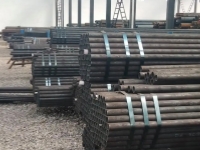
Schedule 80 Pipe Thickness (mm) – Quick Reference
Below is a simplified cross-reference for common and key sizes:
Common Sizes
NPS 1/2″ → Wall thickness: 3.73 mm
NPS 1″ → Wall thickness: 4.55 mm
NPS 4″ → Wall thickness: 8.56 mm
Key Engineering Sizes
NPS 3″
Outside Diameter (OD): 88.9 mm
Wall thickness: 7.62 mm (0.300 inch)
NPS 6″
Outside Diameter (OD): 168.3 mm
Wall thickness: 10.97 mm (0.432 inch)
|
NPS |
O.D. |
Nominal Wall Thickness |
|||||||||||||||
|
DN |
Inch |
mm |
SCH5S |
SCH10S |
SCH10 |
SCH20 |
SCH30 |
SCH40 |
SCH60 |
SCH80 |
SCH100 |
SCH120 |
SCH140 |
SCH160 |
Sth |
XS |
XXS |
|
50 |
2″ |
60.3 |
1.65 |
2.77 |
– |
– |
– |
3.91 |
– |
5.54 |
– |
– |
– |
8.74 |
3.91 |
5.54 |
11.07 |
|
65 |
2 1/2″ |
73 |
2.11 |
3.05 |
– |
– |
– |
5.16 |
– |
7.01 |
– |
– |
– |
9.53 |
5.16 |
7.01 |
14.02 |
|
80 |
3″ |
88.9 |
2.11 |
3.05 |
– |
– |
– |
5.49 |
– |
7.62 |
– |
– |
– |
11.13 |
5.49 |
7.52 |
15.24 |
|
90 |
3 1/2″ |
101.6 |
2.11 |
3.05 |
– |
– |
– |
5.74 |
– |
8.08 |
– |
– |
– |
– |
5.74 |
8.08 |
– |
|
100 |
4″ |
114.3 |
2.11 |
3.05 |
– |
– |
– |
6.02 |
– |
8.58 |
– |
11.13 |
– |
13.49 |
6.02 |
8.56 |
17.12 |
|
125 |
5″ |
141.3 |
2.77 |
3.4 |
– |
– |
– |
6.55 |
– |
9.53 |
– |
12.7 |
– |
15.88 |
6.55 |
9.53 |
18.05 |
|
150 |
6″ |
168.3 |
2.77 |
3.4 |
– |
– |
– |
7.11 |
– |
10.97 |
– |
14.27 |
– |
18.26 |
7.11 |
10.97 |
21.95 |
|
200 |
8″ |
219.1 |
2.77 |
3.76 |
– |
6.35 |
7.04 |
8.18 |
10.31 |
12.7 |
15.09 |
18.26 |
20.62 |
23.01 |
8.18 |
12.7 |
22.23 |
|
250 |
10″ |
273.1 |
3.4 |
4.19 |
– |
6.35 |
7.8 |
9.27 |
12.7 |
15.09 |
18.26 |
21.44 |
25.4 |
28.58 |
9.27 |
12.7 |
25.4 |
|
300 |
12″ |
323.9 |
3.96 |
4.57 |
– |
6.35 |
8.38 |
10.31 |
14.27 |
17.48 |
21.44 |
25.4 |
28.58 |
33.32 |
9.53 |
12.7 |
25.4 |
|
350 |
14″ |
355.5 |
3.96 |
4.78 |
6.35 |
7.92 |
9.53 |
11.13 |
15.09 |
19.05 |
23.83 |
27.79 |
31.75 |
35.71 |
9.53 |
12.7 |
– |
|
400 |
16″ |
406.4 |
4.19 |
4.78 |
6.35 |
7.92 |
9.53 |
12.7 |
16.66 |
21.44 |
26.19 |
30.96 |
36.53 |
40.49 |
9.53 |
12.7 |
– |
|
450 |
18″ |
457.2 |
4.19 |
4.78 |
6.35 |
7.92 |
11.13 |
14.27 |
19.05 |
23.83 |
39.36 |
34.93 |
39.67 |
45.24 |
– |
– |
– |
|
500 |
20″ |
508 |
4.78 |
5.54 |
6.35 |
9.53 |
12.7 |
15.09 |
20.62 |
26.19 |
32.54 |
38.1 |
44.45 |
50.01 |
– |
– |
– |
|
550 |
22″ |
558.8 |
4.78 |
5.54 |
6.35 |
9.53 |
12.7 |
– |
22.23 |
28.58 |
34.93 |
41.28 |
47.63 |
53.98 |
– |
– |
– |
|
600 |
24″ |
609.6 |
5.54 |
6.35 |
6.35 |
9.53 |
14.27 |
17.48 |
24.61 |
30.96 |
38.89 |
46.02 |
52.37 |
59.54 |
– |
– |
– |
Why Schedule 80 Thickness Matters
Higher Pressure Rating: Thicker walls allow SCH 80 pipes to handle higher internal pressures
Corrosion Allowance: Extra thickness provides margin for corrosion in harsh environments
Improved Durability: Better performance in demanding industrial conditions
Typical Applications: Oil & gas pipelines, chemical processing, power plants, and high-pressure fluid transport systems
FAQ
Q1: What does Schedule 80 mean in piping?
Schedule 80 refers to a standardized pipe wall thickness designation. A higher schedule number indicates a thicker pipe wall and greater pressure resistance.
Q2: Is Schedule 80 thicker than Schedule 40?
Yes. Schedule 80 pipes are significantly thicker than Schedule 40, making them suitable for higher-pressure applications.
Q3: Does Schedule 80 thickness vary by material?
No. The wall thickness is defined by the pipe size (NPS) and schedule, not the material. However, material strength affects overall performance.
Q4: Why convert pipe thickness to mm?
Millimeters (mm) are widely used in international engineering, manufacturing, and quality control, making specifications easier to standardize globally.


