Oil steel pipes are widely used for transporting crude oil, refined petroleum products, and other hydrocarbons across upstream, midstream, and downstream facilities. Because these pipelines often operate under high pressure and harsh environmental conditions, selecting the appropriate oil steel pipe material and protective coating is essential for ensuring long-term reliability, corrosion resistance, and operational safety.
Whether installed underground, offshore, or above ground, oil steel pipes are continuously exposed to moisture, corrosive soils, temperature fluctuations, UV radiation, and mechanical impacts. Without an effective protection system, corrosion can gradually weaken the pipe wall, leading to leaks, costly maintenance, and reduced service life. Modern coating technologies provide a durable barrier that protects the steel substrate while minimizing lifecycle costs.
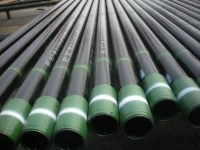
The selection of an oil steel pipe depends on factors such as operating pressure, transported medium, service temperature, installation environment, and applicable international standards. Carbon steel remains the preferred material for most oil transportation pipelines because of its high mechanical strength, excellent weldability, and cost-effectiveness. Stainless steel is commonly selected for highly corrosive service conditions requiring superior corrosion resistance.
To further improve durability, protective coating systems are applied to both the internal and external pipe surfaces, helping prevent corrosion during transportation, installation, and long-term operation.
|
Material / Coating |
Description |
Main Advantages |
|
Carbon Steel Pipe |
Standard material for oil transmission pipelines |
High strength, excellent weldability, economical |
|
Stainless Steel Pipe |
Suitable for corrosive operating environments |
Outstanding corrosion resistance |
|
3LPE Coating |
Three-layer polyethylene coating system |
Excellent corrosion and impact protection |
|
FBE Coating |
Fusion bonded epoxy coating |
Strong adhesion and chemical resistance |
|
Epoxy Coating |
Internal or external protective coating |
Improved corrosion protection and flow efficiency |
|
Galvanized Coating |
Zinc protective layer |
Enhanced rust resistance for selected applications |
Different coating systems are selected according to project conditions and service environments.
3LPE Coating – Widely used for buried oil transmission pipelines due to its excellent resistance to moisture, chemicals, soil stress, and mechanical damage.
FBE Coating – Provides outstanding adhesion and long-term corrosion protection for transmission and gathering pipelines.
Epoxy Coating – Frequently applied to internal pipe surfaces to reduce corrosion, improve flow efficiency, and minimize friction losses.
Galvanized Coating – Offers an additional zinc barrier against atmospheric corrosion in suitable applications.
Protective coating systems are extensively used in numerous oil industry projects, including:
Crude oil transmission pipelines
Oil gathering and transportation systems
Refineries
Petrochemical facilities
Offshore and onshore oil fields
Underground pipeline networks
Energy infrastructure projects
Storage terminal piping systems
One of the primary purposes of pipeline coatings is to prevent external corrosion. Buried oil pipelines are continuously exposed to groundwater, soil chemicals, and stray currents, all of which can accelerate steel deterioration. High-performance coating systems isolate the steel surface from these corrosive elements, significantly extending pipeline service life.
The performance of an oil pipeline depends not only on the quality of the steel pipe but also on the effectiveness of its protective coating system. Selecting the appropriate combination helps reduce maintenance frequency, improve operational reliability, and lower overall lifecycle costs.
High-quality oil steel pipes undergo comprehensive quality control throughout production, including:
Chemical composition analysis
Mechanical property testing
Dimensional inspection
Coating thickness measurement
Adhesion testing
Surface quality inspection
These inspection procedures help ensure compliance with international pipeline standards while providing consistent performance in demanding operating environments.
The effectiveness of a coating system is influenced by surface preparation, application technology, curing process, operating temperature, and service environment. Advanced coating equipment and strict process control ensure uniform coating thickness, strong adhesion, and long-lasting corrosion protection.
In addition to corrosion resistance, modern coating systems improve resistance to abrasion, impact damage, and handling during transportation and installation. This is particularly valuable for buried and remote oil pipeline projects where maintenance and repair can be expensive.
As the global energy industry continues to develop, reliable oil steel pipe materials and advanced coating technologies remain essential for building safe, efficient, and durable pipeline infrastructure.
Oil steel pipe coatings are a critical component of modern pipeline systems, protecting steel pipes against corrosion, mechanical damage, and harsh environmental conditions. By selecting suitable pipe materials together with proven coating technologies such as 3LPE, FBE, and epoxy systems, operators can improve pipeline safety, extend service life, and reduce maintenance costs.
Whether used in crude oil transportation, refinery projects, or petrochemical facilities, properly coated oil steel pipes provide dependable long-term performance for demanding industrial applications.
1. What is the most common material used for oil steel pipes?
Carbon steel is the most widely used material because it offers an excellent balance of strength, weldability, durability, and cost efficiency for oil transportation systems.
2. Which coating is best for buried oil pipelines?
3LPE coating is one of the most popular choices due to its outstanding resistance to corrosion, moisture, soil chemicals, and mechanical impact.
3. Why are protective coatings important for oil steel pipes?
Coatings protect the steel surface from corrosion, reduce maintenance requirements, improve pipeline reliability, and significantly extend service life.
4. What inspections are performed on coated oil steel pipes?
Quality inspections typically include chemical analysis, mechanical testing, dimensional verification, coating thickness measurement, adhesion testing, and visual inspection.