Carbon steel pipe fittings are widely used in industrial piping systems because of their high strength, good machinability, and cost-effectiveness. However, exposure to moisture, oxygen, chemicals, or harsh environments can easily cause surface oxidation and rust formation. Proper rust removal and passivation treatment can significantly improve the corrosion resistance and service life of carbon steel pipe fittings.
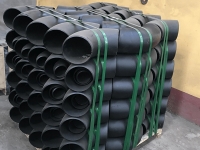
CY-902-1 carbon steel pickling and passivation solution is commonly used for rust removal and anti-corrosion treatment of carbon steel pipe fittings. The solution can effectively remove rust, oxide scale, and surface contaminants while forming a protective passivation film on the metal surface.
Unlike traditional rust preventive oils, the passivation process creates a dense protective layer that helps isolate the metal from corrosive environments.
The immersion method is suitable for external surface treatment of carbon steel pipe fittings.
Treatment process:
Dilute the pickling and passivation solution at a 1:1 ratio
Immerse the fittings at room temperature
Treatment time: 30–50 minutes
For severe rust, soaking time can be extended up to 4 hours
A black-gray passivation film will gradually form on the surface
This method is commonly used for small pipe fittings, forged parts, and machined components.
The circulation method is mainly used for internal pipe treatment and complex piping systems.
Treatment process:
Use a circulating pump to spray or circulate the solution inside the pipe fittings
Circulation time is typically 40–60 minutes
Improves cleaning and passivation uniformity on the inner wall surface
This method is suitable for carbon steel pipe systems requiring internal corrosion protection.
After pickling and passivation treatment:
Rinse thoroughly with clean water
Allow the fittings to air dry or dry in a controlled environment
Store in a dry and clean area to prevent secondary oxidation
Proper post-treatment helps maintain the integrity of the passivation layer and improves long-term rust resistance.
Carbon steel pickling and passivation treatment offers several benefits:
|
Feature |
Benefit |
|
Rust Removal |
Eliminates surface rust and oxide scale |
|
Protective Passivation Film |
Reduces direct contact with corrosive media |
|
Improved Corrosion Resistance |
Enhances rust prevention performance |
|
Longer Service Life |
Extends component durability |
|
Chromium-Free Formula |
Environmentally friendlier alternative to traditional treatments |
The passivation film can improve rust resistance performance by several times and significantly increase salt spray resistance.
1. Why do carbon steel pipe fittings rust?
Carbon steel reacts with moisture, oxygen, and corrosive environments, which can lead to surface oxidation and rust formation.
2. What is the purpose of passivation treatment?
Passivation creates a protective film on the metal surface to improve corrosion resistance and reduce future rusting.
3. Which rust removal method is better?
The immersion method is suitable for external surfaces, while the circulation method is better for internal pipe treatment.
4. Can passivation improve service life?
Yes. Proper pickling and passivation treatment can significantly extend the service life of carbon steel pipe fittings.
5. Which industries use passivated carbon steel fittings?
They are widely used in oil and gas, petrochemical, power generation, shipbuilding, machinery manufacturing, and industrial piping systems.