Long-distance steam transmission pipelines must meet these key requirements:
High-temperature resistant materials
Proper wall thickness for pressure stability
Optimized pipeline design to reduce heat loss
Reliable installation and welding quality
Regular maintenance and safety protection
These factors ensure efficient, safe, and long-term steam transport.
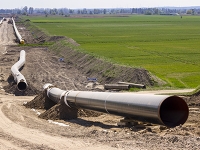
Steam transmission pipelines are designed to transport high-temperature, high-pressure steam over long distances in industries such as:
Power generation
Chemical processing
Oil refining
District heating systems
Due to extreme operating conditions, these pipelines require strict engineering standards.
Search intent keywords: high temperature steel pipe, steam pipeline material
Steam pipelines operate under high temperatures, so materials must provide:
Excellent heat resistance
Stable mechanical properties
Good corrosion resistance
Common materials:
High-quality carbon steel
Alloy steel
Stainless steel
Key insight:
Material selection directly determines pipeline lifespan and safety performance.
Search intent keywords: pipe wall thickness for steam pipeline
Wall thickness must be designed to withstand:
Internal steam pressure
Temperature fluctuations
Long-term thermal stress
Best practice:
Select appropriate schedule (Sch)
Ensure sufficient safety margin
Search intent keywords: steam pipeline design, heat loss reduction
A well-designed pipeline system should:
Minimize heat loss
Reduce pressure drop
Optimize flow efficiency
Design considerations:
Proper pipe diameter
Reduced number of bends and fittings
Strategic valve placement
Search intent keywords: steam pipeline thermal expansion
High-temperature steam causes pipelines to expand.
Design must include:
Expansion joints or loops
Flexible supports
Stress relief structures
Goal: prevent deformation, cracking, or structural failure.
Search intent keywords: steam pipeline installation standards
Critical factors during construction:
High-quality welding procedures
Proper connection methods
Pressure testing before operation
Additional components:
Steam traps → remove condensate
Vent valves → maintain steam dryness
Search intent keywords: steam pipeline maintenance
Regular maintenance includes:
Pipeline inspection
Valve and fitting checks
Steam trap performance monitoring
Efficiency improvement:
Cleaning and descaling
Removing deposits and impurities
Search intent keywords: steam pipeline safety requirements
Essential safety practices:
Leak prevention systems
Pressure monitoring
Emergency response plans
Additional requirement:
Operator training for safety awareness
Rapid fault handling capability
1. Energy Efficiency Optimization
Insulation systems to reduce heat loss
Monitoring systems for energy consumption
2. Corrosion Protection
Internal and external coatings
Material upgrades in harsh environments
3. Smart Monitoring Systems
Real-time pressure and temperature sensors
Predictive maintenance systems
Long-distance steam transmission pipelines require a comprehensive engineering approach, including material selection, structural design, installation quality, and ongoing maintenance.
By optimizing these factors, operators can achieve:
High efficiency
Reduced energy loss
Long service life
Safe and stable operation
1. What material is best for steam pipelines?
Carbon steel, alloy steel, and stainless steel are commonly used.
2. Why is thermal expansion important?
It prevents stress damage and pipeline deformation.
3. How to reduce heat loss in steam pipelines?
Use insulation and optimize pipeline design.
4. What ensures safe operation?
Proper design, regular maintenance, and safety systems.
5. Are steam traps necessary?
Yes, they remove condensate and improve efficiency.