The welding temperature for carbon steel pipe is typically controlled within the range of 150°C to 260°C. This range is widely accepted in engineering practice to ensure proper weld formation, adequate mechanical strength, and stable metallurgical structure.
In most cases, this temperature range corresponds to the upper limit of preheating temperature or interpass temperature, depending on material composition, wall thickness, and service conditions. Welding temperatures that are too high or too low can lead to defects such as cracking, excessive hardness, or poor fusion, ultimately compromising weld quality.
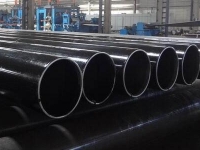
Key Temperatures That Must Be Controlled During Carbon Steel Pipe Welding
In practical engineering applications, there is no single fixed “welding temperature.” Instead, several critical temperature parameters must be controlled throughout the welding process:
Preheating temperature
Interpass temperature
Post-weld heat treatment (PWHT) temperature, if required
Each plays a distinct role in controlling weld integrity and long-term performance.
Why Temperature Control Is Critical in Carbon Steel Pipe Welding
Proper temperature control directly affects:
Weld penetration and fusion quality
Microstructure of the weld metal and heat-affected zone (HAZ)
Resistance to cold cracking and hydrogen embrittlement
Load-bearing capacity and service reliability
Maintaining carbon steel pipe welding temperatures within an appropriate range ensures the base metal and filler metal remain in a suitable thermoplastic state, promoting sound metallurgical bonding.
General Standards for Carbon Steel Pipe Welding
Carbon steel pipe welding must comply with recognized international or national standards to ensure safety and consistency.
1. Material and Filler Metal Matching
Base metals and welding consumables should comply with GB/T 5117 or AWS A5.1.
Example:
Q235B carbon steel pipe → E4315 electrode
Minimum tensile strength: ≥ 430 MPa (GB/T 5117-2012)
2. Bevel Design Requirements
According to ASME B31.3-2022:
V-groove angle: 60° ± 5°
Root face: 1.5–2.0 mm
Root gap: 2–3 mm
3. Mandatory Preheating Conditions
Per GB/T 20801.4-2020, preheating is required when:
Carbon equivalent (Ceq) ≥ 0.40%, or
Pipe wall thickness > 25 mm
Recommended preheating range: 100–200°C
Recommended Welding Temperature Range for Carbon Steel Pipe
Typical controlled temperature range: 150°C–260°C
Within this range:
Metal plasticity is sufficient for proper fusion
Overheating and grain coarsening are avoided
Risks of hydrogen-induced cracking and cold cracking are reduced
This range is commonly applied as the upper control limit for interpass temperature or preheating temperature in medium- and thick-walled carbon steel pipes.
Preheating Requirements for Carbon Steel Pipe Welding
1. Recommended Preheating Temperature by Pipe Type
|
Pipe Type |
Preheating Temperature |
|
Thin-walled mild steel pipe |
50–100°C |
|
Medium/thick-walled carbon steel pipe |
100–150°C |
|
High Ceq steel or cold environment |
150–200°C |
2. Preheating Time
Typically 20–60 minutes, depending on wall thickness and ambient temperature.
3. Common Preheating Methods
Flame heating
Electric resistance heating
Induction heating
4. Preheating Precautions
Follow approved WPS requirements
Avoid local overheating
Use insulation materials to maintain temperature stability
Interpass Temperature Control for Carbon Steel Pipe Welding
Interpass temperature refers to the temperature of the base metal near the weld after one pass and before the next pass begins.
Recommended interpass temperature: around 150°C
Excessive interpass temperature increases heat input and softens the HAZ
Too low interpass temperature raises the risk of cold cracking
Maintaining a stable interpass temperature ensures consistent weld quality and joint strength.
Post-Weld Heat Treatment (PWHT) Temperature for Carbon Steel Pipes
1. Temperature Range
According to ASME B31.3:
Typical PWHT temperature: 580–650°C
Guidelines by carbon content:
Mild steel (C ≤ 0.25%): 580–600°C
Medium/high carbon steel: 620–650°C
Temperatures below 550°C result in insufficient stress relief, while temperatures above 700°C may cause grain coarsening.
2. Holding Time
Per GB/T 30583-2014:
1 hour per 25 mm wall thickness
Minimum holding time: 30 minutes
3. Heating and Cooling Rates
Heating rate: ≤ 220°C/h
Cooling rate: ≤ 275°C/h
Controlled rates help prevent thermal cracking.
Special Welding Conditions and Adjustments
Low-Temperature Welding (Below −20°C)
Use low-hydrogen electrodes
Increase preheating temperature by 20–50°C
Corrosive Media Service
Post-weld pickling and passivation required
Refer to HG/T 20584-2020
Factors Influencing Welding Temperature Selection
Carbon steel grade and chemical composition
Pipe schedule and wall thickness
Welding method and heat input
Ambient temperature and site conditions
Methods for Accurate Welding Temperature Control
Proper preheating and interpass temperature control
Use of thermocouples and temperature controllers
Strict compliance with approved WPS / PQR
Optimized welding parameters (current, voltage, travel speed)
Frequently Asked Questions
Q1: What temperature should carbon steel pipe be welded at?
Carbon steel pipe welding temperature is typically controlled between 150°C and 260°C, depending on preheating and interpass requirements.
Q2: Is preheating always required for carbon steel pipe welding?
No. Preheating is usually required only for thick-walled pipes or steels with high carbon equivalent.
Q3: What happens if welding temperature is too low?
Low temperature increases the risk of cold cracking and hydrogen embrittlement.
Q4: What happens if welding temperature is too high?
Excessive temperature can cause grain coarsening, reduced strength, and poor weld appearance.
Q5: Which welding electrodes are best for carbon steel pipes?
Low-hydrogen electrodes such as E6013 and E7018 (AWS A5.1) are commonly recommended.
Summary
Controlling the welding temperature of carbon steel pipes is a critical factor in achieving reliable weld quality. By maintaining proper preheating, interpass temperature, and post-weld heat treatment parameters—and adjusting them based on material and service conditions—welding defects can be minimized and the long-term safety and performance of carbon steel piping systems can be ensured.