Weld neck flanges are widely recognized as one of the most reliable flange types for high-pressure, high-temperature, and demanding industrial applications. Featuring a long tapered hub that gradually transfers stress from the flange to the pipe, they provide excellent structural strength, reduce stress concentration, and enhance the overall integrity of the piping system.
Their full-penetration butt weld connection creates a strong, leak-resistant joint, making weld neck flanges the preferred choice for pipelines transporting hazardous fluids, steam, oil, gas, and corrosive media where long-term safety and operational reliability are essential.
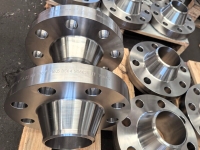
Modern weld neck flanges offer several performance benefits that make them suitable for critical service conditions.
|
Feature |
Benefit |
|
Long Tapered Hub |
Reduces stress concentration and improves fatigue resistance |
|
Butt-Weld Connection |
Provides a strong, leak-resistant joint |
|
Excellent Pressure Resistance |
Suitable for high-pressure piping systems |
|
High Temperature Capability |
Performs reliably under extreme operating conditions |
|
Wide Range of Sizes & Pressure Ratings |
Supports diverse industrial applications |
Their excellent fatigue resistance also makes weld neck flanges ideal for systems subjected to vibration, cyclic loading, and frequent pressure fluctuations.
To ensure consistent performance and compliance with international standards, high-quality weld neck flanges undergo rigorous inspection throughout the manufacturing process.
Typical quality control procedures include:
Chemical composition analysis
Mechanical property testing
Dimensional inspection
Ultrasonic testing (UT)
Hydrostatic or pressure testing
Surface and visual inspection
These inspections help verify material integrity, dimensional accuracy, and long-term reliability before delivery.
Weld neck flanges are available in multiple materials, pressure classes, and facing types, allowing engineers to select the most appropriate solution for different piping systems.
They are commonly used in:
Oil and gas pipelines
Petrochemical plants
Power generation facilities
Chemical processing
Offshore platforms
Water treatment plants
Industrial process piping
Their compatibility with international standards simplifies installation and maintenance while ensuring reliable system performance.
As industrial facilities continue to demand safer, stronger, and more efficient piping systems, weld neck flanges remain one of the most dependable flange solutions available. Their combination of superior mechanical strength, excellent sealing performance, and long service life helps reduce maintenance costs and improve overall system reliability.
At United Steel Industry, we manufacture weld neck flanges in accordance with international standards using advanced production equipment and comprehensive quality management systems. With extensive manufacturing experience and global supply capabilities, we provide reliable piping components for energy, petrochemical, infrastructure, and industrial projects worldwide.
Q1: Why are weld neck flanges preferred for high-pressure applications?
Their tapered hub and butt-weld design distribute stress evenly, providing superior strength and leak resistance.
Q2: What industries commonly use weld neck flanges?
They are widely used in oil & gas, petrochemical, power generation, chemical processing, and industrial piping systems.
Q3: What inspections are performed on weld neck flanges?
Typical inspections include dimensional checks, mechanical testing, chemical analysis, ultrasonic testing, and pressure testing.
Q4: Can weld neck flanges be manufactured to different standards?
Yes. They are available according to international standards such as ASME, ASTM, EN, DIN, and JIS, with various pressure ratings and facing options to meet specific project requirements.