Designing and operating long-distance steam pipelines requires:
High-temperature resistant materials
Proper wall thickness based on pressure and temperature
Optimized layout to reduce heat and pressure loss
Reliable installation and drainage systems
Regular maintenance and strict safety measures
These ensure efficient heat transfer, structural integrity, and safe operation.
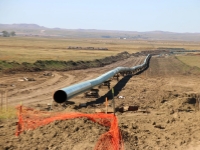
Long-distance steam pipelines are used to transport high-temperature, high-pressure steam across industrial systems such as:
Power plants
Petrochemical facilities
District heating networks
Due to harsh operating conditions, they require strict design, material, and operational control.
Search intent keywords: steam pipeline material, high temperature steel pipe
Material selection must ensure:
High-temperature resistance
Stable mechanical properties
Corrosion resistance
Common materials:
Carbon steel: 20G
Alloy steel: 15CrMoG, 12Cr1MoVG
Stainless steel: 1Cr18Ni9Ti (for corrosive or extreme conditions)
Key principle:
Material must comply with relevant standards and match operating conditions.
Search intent keywords: steam pipe wall thickness calculation
Wall thickness must be determined based on:
Design pressure
Operating temperature
Pipe diameter
Allowable stress of material
Engineering requirement:
Use standard calculation formulas to ensure:
No deformation
No rupture during long-term operation
Search intent keywords: steam pipeline design, pressure loss reduction
To improve efficiency:
Use larger pipe diameters (within process limits)
Minimize elbows, valves, and fittings
Reduce local resistance
Best practice:
Use long-radius elbows where possible
Optimize support and fixation layout
Reduce vibration and thermal stress
Search intent keywords: steam pipeline thermal expansion compensation
Steam pipelines expand under high temperature.
Design requirements:
Perform thermal stress calculations
Provide sufficient expansion allowance
Common solutions:
Natural pipe bending
Expansion loops (π-type bends)
Corrugated expansion joints
Sleeve compensators
Goal: prevent excessive stress, deformation, or failure.
Search intent keywords: steam pipeline installation standards
Key control points:
Welding quality and inspection
Proper connection methods
Pressure testing before commissioning
Condensate management:
Install steam traps at low points and key locations
Install air vents at high points and pipeline ends
Purpose: ensure steam dryness and system stability.
Search intent keywords: steam pipeline maintenance
Routine tasks:
Pipeline integrity inspection
Valve and fitting checks
Steam trap performance monitoring
Efficiency measures:
Steam purging before startup
Monitoring condensate quality
Cleaning or pigging when pressure drop increases
Important: maintenance actions must follow strict safety procedures.
Search intent keywords: steam pipeline safety guidelines
Critical safety requirements:
Insulation for high-temperature surfaces
Safety valves at key pressure points
Controlled startup procedures (gradual warm-up)
Additional measures:
Emergency response plans
Protective equipment near critical points
Operator training and safety awareness
1. What material is best for steam pipelines?
Carbon steel, alloy steel, and stainless steel depending on temperature and environment.
2. Why is thermal expansion important?
It prevents stress damage and pipeline failure.
3. How to reduce heat loss in steam pipelines?
Optimize design, reduce fittings, and apply insulation.
4. What ensures safe operation?
Proper design, regular maintenance, and safety systems.
5. Are steam traps necessary?
Yes, they remove condensate and improve efficiency.
Long-distance steam pipeline systems require a systematic engineering approach, covering material selection, structural design, installation quality, and operational control.
A well-designed system delivers:
High thermal efficiency
Reduced energy loss
Long service life
Safe and stable operation