-
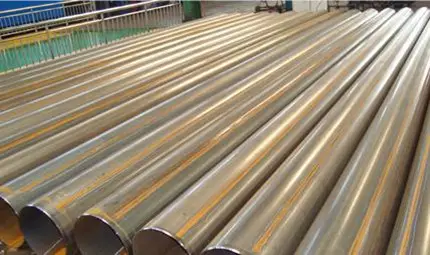
People always confused about how to describe steel pipe dimensions (sizes) in correct ways, or how to clarify to seller what exactly pipe size we are going to purchase. In case any misunderstandings or a different size we purchased, that will be a big trouble.
-
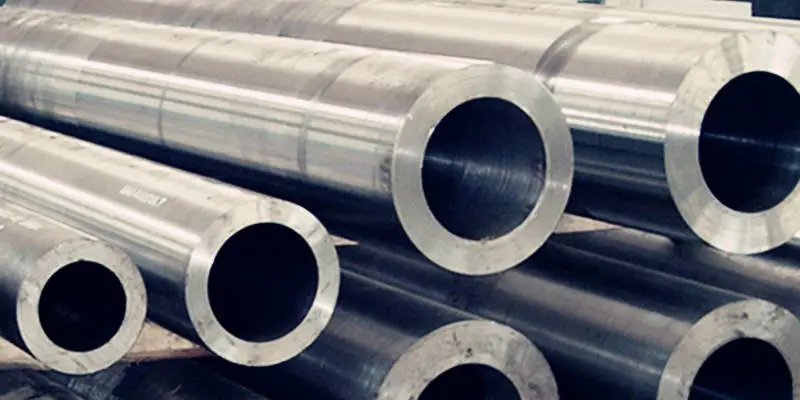
ASTM A335 pipe (with Grade P9, P11, P22, P91 pipes) has been widely used in different industries for high temperature, high pressure services. According to market data, it is one of the most consumption alloy pipes in boiler industry, heat exchanger, power station, high and super high pressure vessels.
-
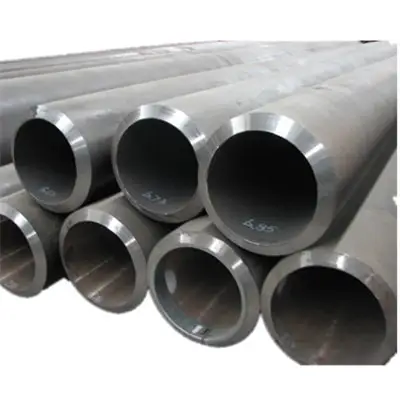
People always confused about how to describe steel pipe dimensions (sizes) in correct ways, or how to clarify to seller what exactly pipe size we are going to purchase. In case any misunderstandings or a different size we purchased, that will be a big trouble.
-

API 5DP is an international technical standard for steel drill pipes used in oil and gas drilling operations, published by the American Petroleum Institute (API). The specification defines the manufacturing requirements, testing procedures, material grades, and dimensional tolerances for drill pipes used in drilling, completion, and production activities.
-
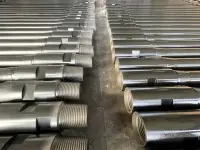
Drill pipe is a critical component of the drill string used in oil and gas drilling operations. It is typically manufactured from high-strength seamless steel pipe with a wall thickness of about 9–11 mm.Selecting the correct drill pipe size is essential for maintaining drilling efficiency, operational safety, and structural reliability.
-
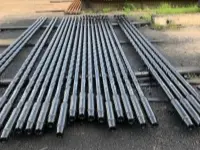
Drill pipes are core load-bearing components in oil & gas drilling, HDD (horizontal directional drilling), and geological exploration. They transmit torque, axial tension, bending stress, and impact load.This article will briefly introduce what material is drill pipe made of.
-
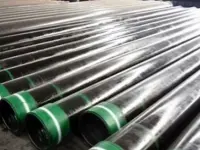
Under the requirements of the American Petroleum Institute and API 5CT, N80 and P110 are two of the most widely specified casing pipe grades used in oil and gas well construction.This article will briefly introduce differences between API 5CT N80 and P110 casing pipe.
-
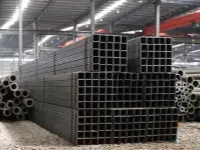
MS (Mild Steel) Square Tube, also known as MS SHS (Square Hollow Section), is widely used in construction frameworks, fabrication structures, machinery supports, and steel engineering projects.This article will briefly introduce MS square tube weight chart in KG.
-
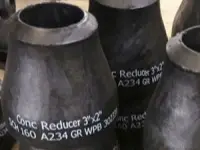
Pipe reducer weight calculation is a critical task in piping engineering, affecting material estimation, cost control, lifting design, and stress analysis. This guide provides structured formulas, engineering logic, and practical field considerations for accurate reducer weight estimation.
-
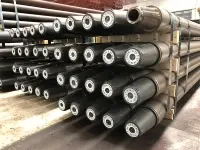
Drill pipe threads are critical mechanical interfaces connecting the drill pipe and drill bit, responsible for transmitting torque, axial load, and impact forces during drilling operations.Thread quality directly affects drilling efficiency, connection reliability, sealing performance, and the service life of the entire drill string.In applications such as geological exploration, water well drilling, mining drilling, and engineering drilling, drill pipe threads must withstand long-term high torque, repeated impact, vibration, and abrasive wear, making proper thread selection essential.
-
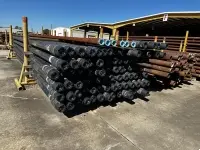
Drill pipe welding is strictly limited and highly regulated. Although drill pipes can be welded, welding is only permitted for specific steel grades, specific locations, and under strictly controlled process conditions. Conventional API drill pipes must not be arbitrarily welded on-site as load-bearing connections, as this can severely compromise structural integrity and lead to serious downhole safety accidents.
-
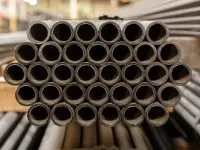
Schedule 80 steel pipe is a heavy-wall carbon steel pipe designed for high-pressure and high-temperature applications. Compared with lower schedules, it features a significantly thicker wall, which provides higher mechanical strength, improved durability, and better resistance to internal pressure and external impact.
-
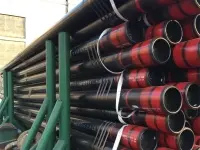
Preventing oil casing corrosion is critical to maintaining well integrity, extending service life, and reducing workover and replacement costs. Effective corrosion control focuses on water quality management, annular protection, mechanical damage prevention, bacterial control, and proper timing of protection technologies. Here is an overview of how to prevent oil casing from corrosion.
-
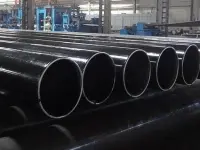
The welding temperature for carbon steel pipe is typically controlled within the range of 150°C to 260°C. This range is widely accepted in engineering practice to ensure proper weld formation, adequate mechanical strength, and stable metallurgical structure. In most cases, this temperature range corresponds to the upper limit of preheating temperature or interpass temperature, depending on material composition, wall thickness, and service conditions. Welding temperatures that are too high or too low can lead to defects such as cracking, excessive hardness, or poor fusion, ultimately compromising weld quality.
-
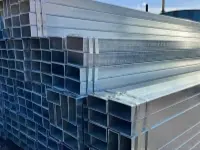
For most buyers, selecting the right galvanized (GI) square and rectangular tube specifications is essentially a decision-making process that balances application requirements, structural strength, and total cost. Different industries show clear and repeatable patterns in size selection, driven by load conditions, fabrication needs, and budget constraints.
-
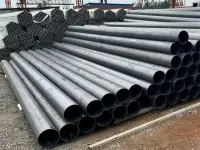
The density of carbon steel pipe is generally accepted as 7.85 g/cm³(7850 kg/m³) and is widely used in engineering calculations worldwide. This value applies across major standards such as ASTM, API, EN, and GB, regardless of pipe size or grade. Understanding carbon steel pipe density is essential for accurate weight calculation, structural design, and cost estimation in industrial and construction projects.
-
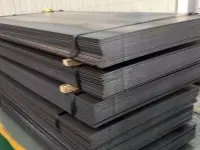
According to the technical requirements of international and industry standards, carbon steel plates and their machined components must be protected against corrosion during storage. Improper storage may lead to surface degradation, deterioration of mechanical properties, and even slow crack propagation, increasing the risk of structural failure.Therefore, scientific and standardized storage practices are a key factor in maintaining the quality and service life of carbon steel plates.
-
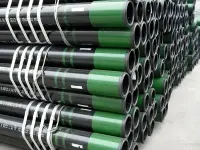
The appropriate length of a steel casing pipe is determined by a combination of pipe diameter, installation environment, and functional requirements. While most casing pipes are supplied in standard lengths, customized lengths are often required for special applications such as deep wells, large-diameter pipelines, or complex installation conditions. This guide explains how to determine the optimal steel casing pipe length from a practical engineering perspective.
-
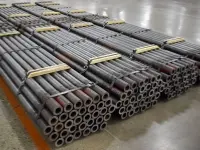
A seamless drill pipe is the core structural and power-transmission component of the drill string in oil and gas drilling operations. It is manufactured from seamless steel tubing and is designed to transmit torque, circulate high-pressure drilling fluid, and extend continuously to deepen the wellbore during drilling.
-
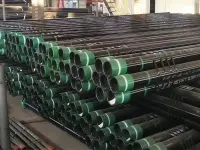
In oil and gas extraction, casing pipe serves as the primary structural barrier that maintains wellbore integrity and ensures long-term, safe production. The fundamental principle in casing selection is matching material performance to environmental loads. Different geological conditions, temperatures, pressures, and fluid chemistries impose very different requirements on mechanical strength, corrosion resistance, and service life. Improper selection can result in casing failure, well control incidents, and substantial economic losses.
From the perspective of environmental adaptability, casing design must be tailored to operating conditions rather than relying solely on strength grade. Below is a practical overview of five typical application environments and corresponding casing selection strategies.
-
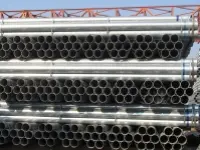
In many industrial applications, cost, efficiency, and performance are all factors engineers must consider when choosing between ERW (Electric Resistance Welded) pipe and seamless pipe. With the rapid development of welding technology, modern ERW pipes have significantly improved in strength, consistency, and reliability.This article will discuss whether ERW pipes can replace seamless pipes.