-
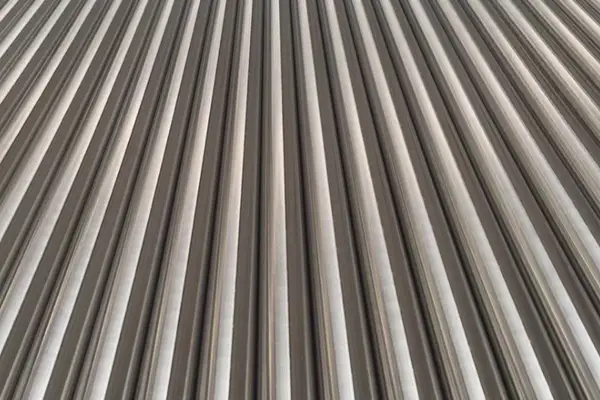
Since the surface of the stainless steel tube will form a thin protective film, although the protective film is about 3×10⁻⁶ mm, it is very tough. Even if it is destroyed, as long as there is oxygen next to it, it can be regenerated immediately to prevent rust. As long as you know the characteristics of stainless steel and use it correctly.
-
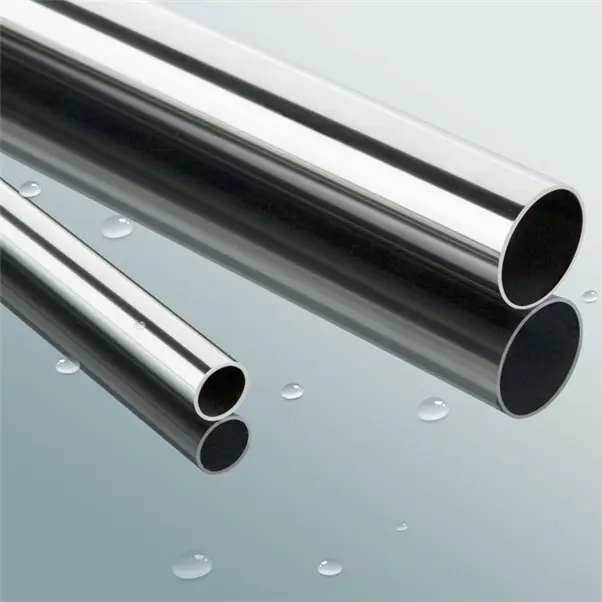
The inner diameter of the stainless steel cylinder tube indicates the output force of the cylinder. The piston should slide smoothly in the cylinder, and the inner surface roughness of the cylinder should reach ra0.8um. The inner surface of the steel pipe column should be plated with hard chrome to reduce friction and wear and prevent corrosion. The cylinder material is made of high-strength aluminum alloy and brass, except for high-carbon steel pipes. This small cylinder is made of stainless steel. In corrosive environments, cylinders using magnetic switches or cylinders should be made of stainless steel, aluminum or brass.
-
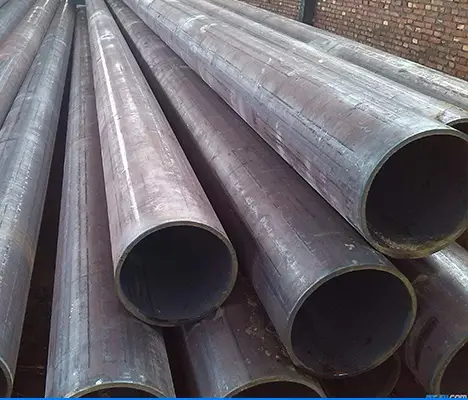
What are the main factors affecting the service life of anti-corrosion insulation steel pipe ?
-
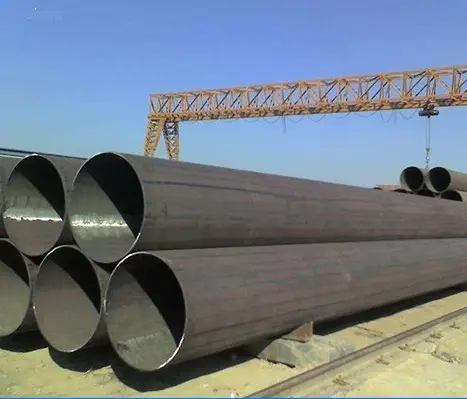
What should I pay attention to in the transportation of anti-corrosion insulation steel pipe ?
-
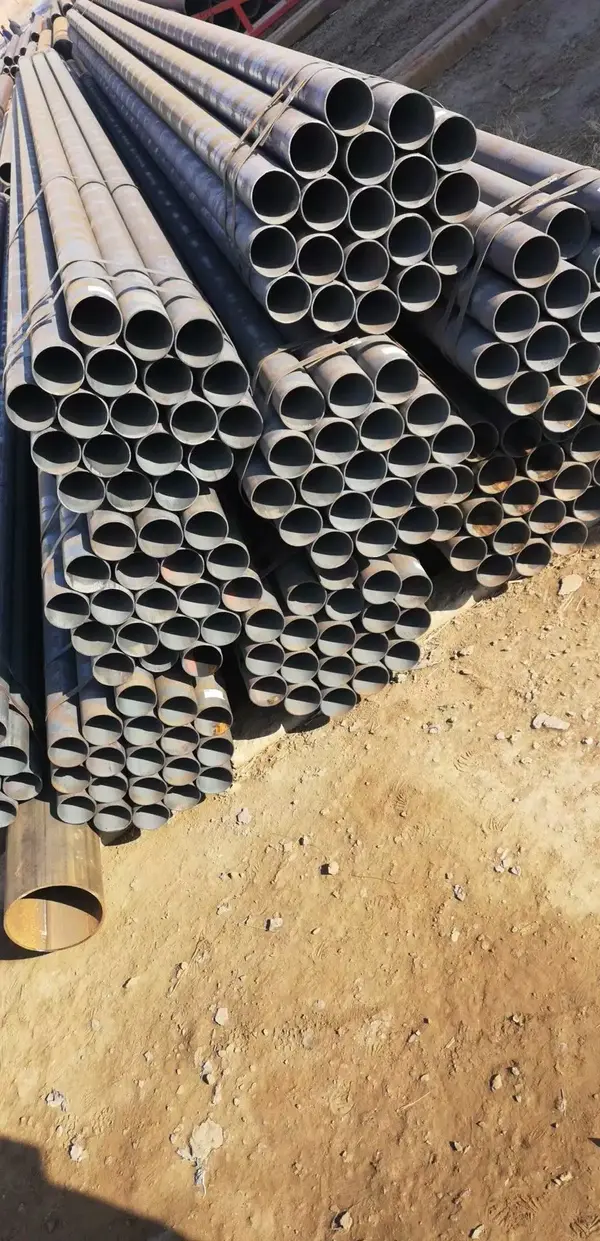
The demand for steel is difficult to release, and there is limited room for incremental demand for cold drawn steel pipe in the future.
-
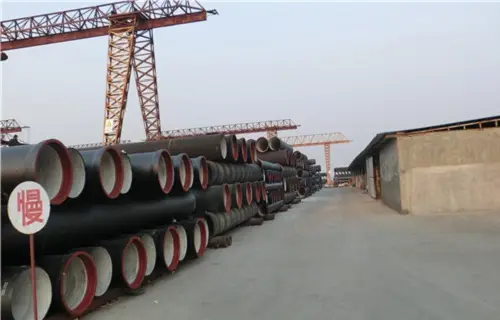
From the demand trend, from January to May 2018, fixed-asset investment, real estate investment, and infrastructure investment all experienced different degrees of decline.
-
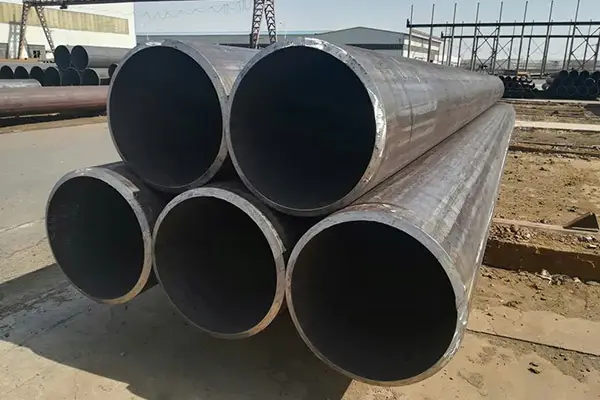
There are a series of regulations and requirements for anti-corrosion and marking of welded pipes. The specific requirements for the logo are as follows:
-
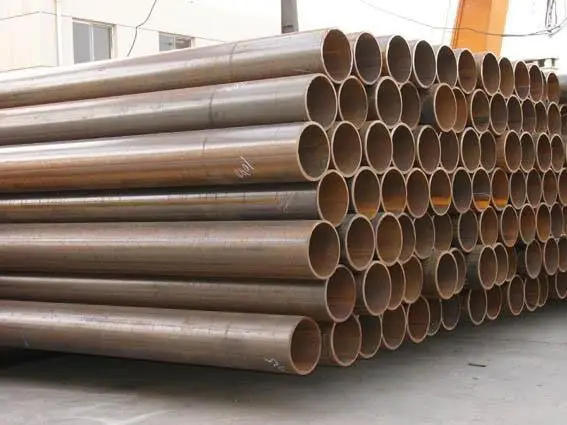
Construction welded steel pipe and steel: On the 7th, the overall price of domestic building materials fell.
-
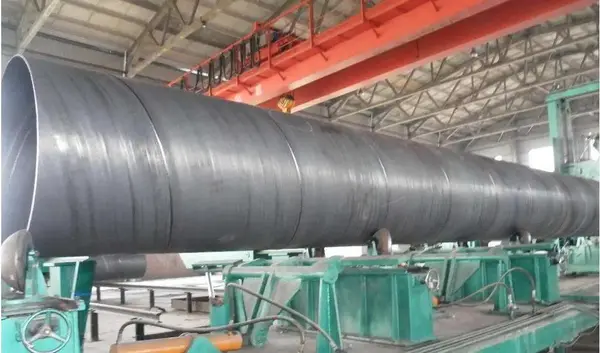
Today, the price of construction welded pipes has risen markedly. The average price of rebar in major cities is 4048 yuan/ton, up 39 yuan/ton from the previous trading day.
-
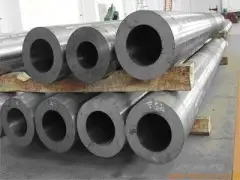
The editorial center of China Seamless Pipe Network was informed that steelmaking steel companies in most areas of the steelmaking industry are currently in a state of loss, and there are many enterprises that have stopped production and maintenance, and a few enterprises have begun to produce foundry steel to produce steel and steel. Although the steel market price fluctuated upwards, the steel mills' purchase of steelmaking steel was not high, steelmaking and steel transactions were not smooth, and the price rebounded weakly. It is expected that there will be no major fluctuations in the steelmaking steel market in the short term. Casting steel This week, the foundry steel market has a strong wait-and-see atmosphere, and transactions in some areas have improved.
-
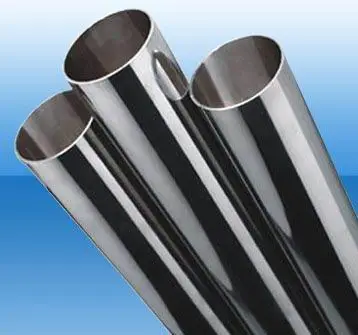
The China Seamless Pipe Network website was informed that with the deepening of the supply side reform, the capacity to be effectively promoted, as a small variety downstream of the steel industry - seamless pipe is facing industry reshuffle. On the one hand, the profit level has increased in the past two years, and the newly added capacity is obvious. On the other hand, the elimination rate of SMEs in the industry is accelerating, and the new capacity increases the supply pressure of local billets.
-
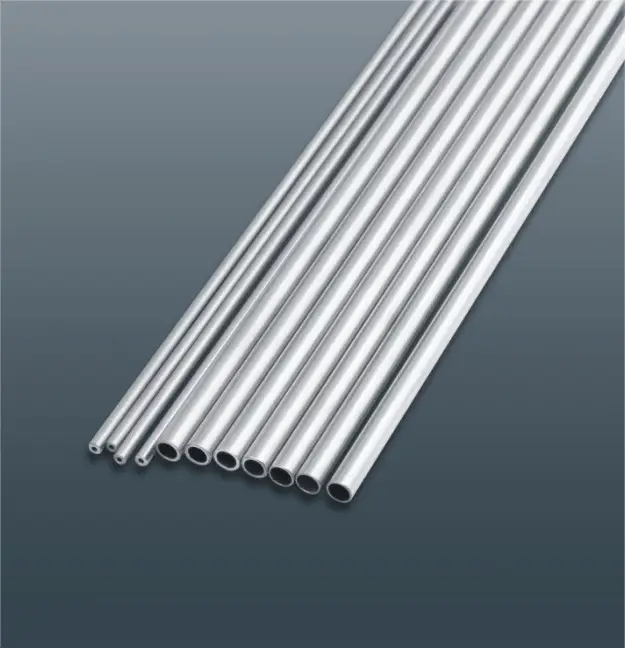
China's seamless pipe network has learned that the production efficiency and product quality of the rolling mills have obvious advantages, but the investment amount is large, and the pressure on private enterprises is relatively high. In 2018, Shandong Jinzhengyang put into operation a 180-rolling pipeline, and the Luli Group will kneel down. Jinsteel has put into operation two 159 units (a total of six, with a total capacity of 3 million tons). From the perspective of market response, the seamless pipes produced by the continuous rolling mills are more popular.
-
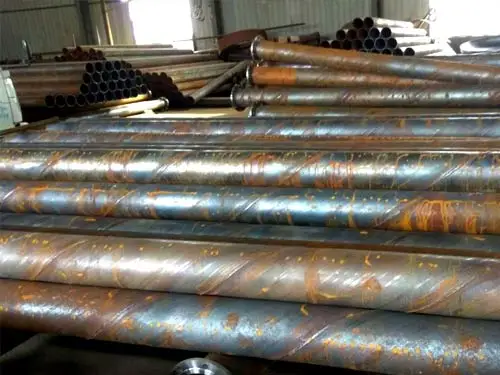
The products produced by our spiral steel pipe manufacturers often have waste products and finished products. We will not talk about these here. We directly enter the theme of today. We have made a technical update on the welding of the spiral steel pipe manufacturers. Too large directly causes a decrease in the proximity effect force, and also causes insufficient eddy current heat, and a bad crack is formed in the joint between the welds. This is a waste product.
-
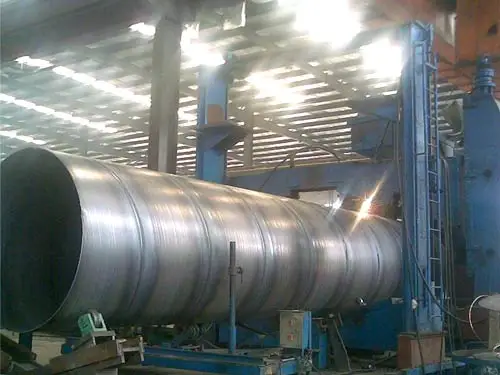
The welding before the spiral steel pipe manufacturers basically used the welding rod to complete the welding, but following the development of our era, the electrode was gradually replaced by double-sided submerged arc welding. Why is Xiaobian saying this? In fact, our previous application of manual welding and double-sided submerged arc welding are protected by slag, but we have developed flux by hand-welded slag. Here we talk about the technology and rise of double-sided submerged arc welding.
-
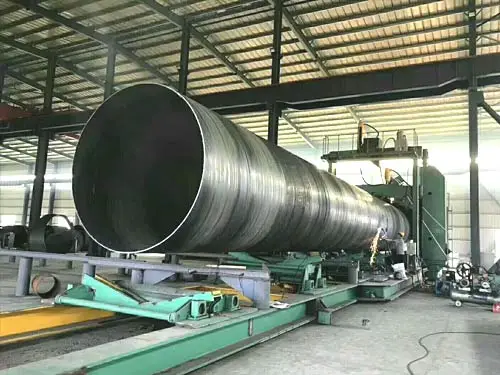
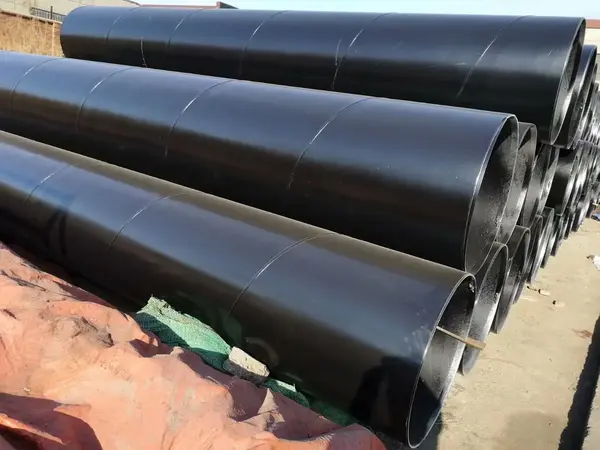
Large diameter spiral tube production process
-
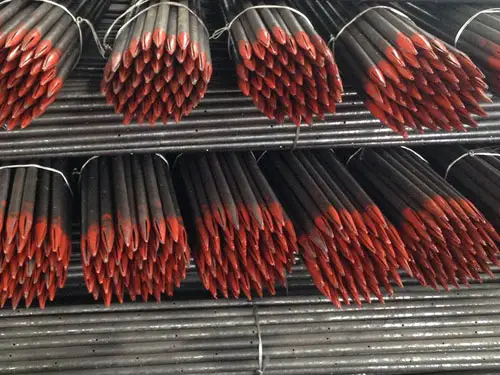
At present, the domestic seamless steel tube market price continues to be weak and stable. According to the data, the market price of seamless steel tube in key cities in China is the same, the average price of seamless steel tube is 4,319 yuan/ton (the same below), which is lower than yesterday's price. yuan/.
-
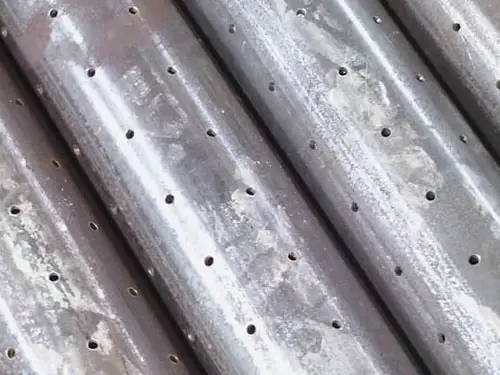
At present, the overall performance of the tunnel steel tube market is generally good, and the futures futures are mostly operated with shocks. The price of Tangshan area has risen by RMB 10/ton. In addition, due to the slow release of demand and the high price increase, the market has a relatively strong market. Watching the mood.
-
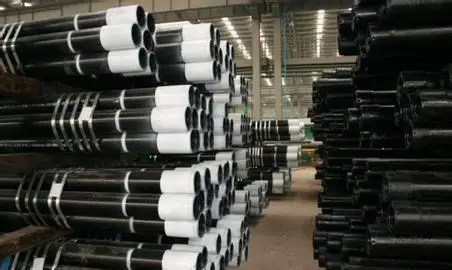
The steel pipe factory opened its first year after the year, and the market opened its door with a strong mentality. In addition, the “Golden Three” expectation drove the market price to rise sharply, and the increase was over 100 yuan.
-
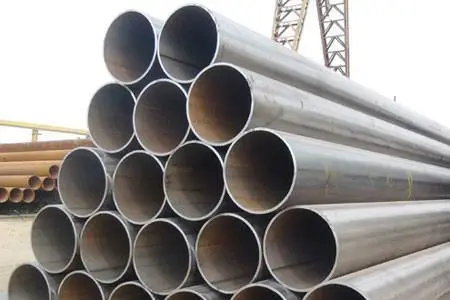
In terms of the turnover of the steel pipe plant, the market opening futures continued to be weak, which aggravated the wait-and-see attitude of the overall spot demand.
-
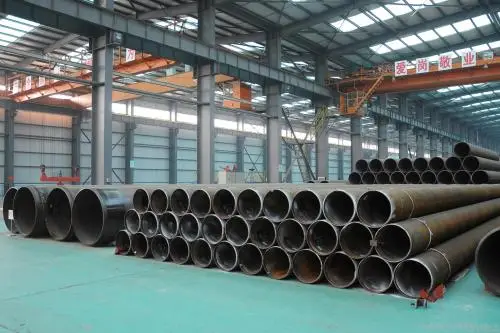
The mainstream quotation of the steel pipe plant is running stably.
-
On March 3, 2019, during the National Conference, Wang Yilin, member of the National Committee of the Chinese People's Political Consultative Conference and chairman of the China National Petroleum Corporation, told the China Business News that the Sino-Russian natural gas pipeline will operate in advance.